Managing moisture in compressed air systems is critical to maintaining operational efficiency and product quality. A desiccant air dryer for compressed air provides a reliable solution by ensuring clean, dry air, which protects equipment, prevents corrosion, and avoids contamination.
How Does a Desiccant Air Dryer Work?
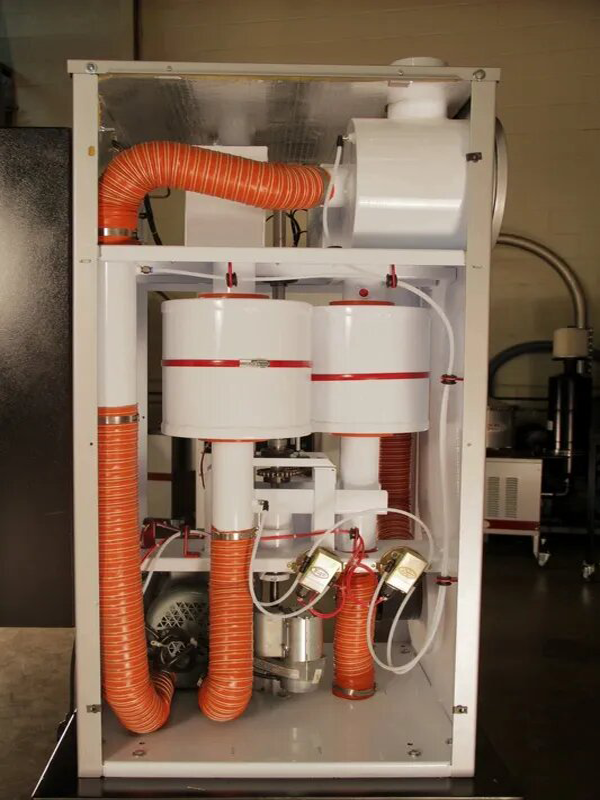
Desiccant air dryers use materials like silica gel or activated alumina to absorb moisture from compressed air. These systems typically feature two chambers:
- Drying Chamber: Air flows through this chamber, where the desiccant material captures water vapor.
- Regeneration Chamber: While one chamber dries the air, the other regenerates the desiccant, maintaining continuous operation.
This process ensures moisture-free air, which is essential for applications such as pneumatic tools, painting, and precision manufacturing.
Types of Desiccant Air Dryers
Choosing the right desiccant air dryer depends on your operational needs. The two main types are:
Heatless Desiccant Dryer:
- Uses dry compressed air for regenerating the desiccant.
- Operates without external heat, making it a simple and reliable option.
- Alternates between drying and regeneration cycles for uninterrupted performance.
Heated Desiccant Dryer:
- Employs external heat to regenerate the desiccant material.
- Requires less compressed air for regeneration, increasing energy efficiency.
- Ideal for environments with high air demand or energy concerns.
Advantages of Using a Desiccant Air Dryer
- Prevents Corrosion: Eliminates moisture that can lead to rust and damage in pipes and machinery.
- Ensures Product Integrity: Provides contamination-free air, essential for industries like pharmaceuticals, food production, and electronics.
- Extends Equipment Lifespan: Reduces wear and tear on pneumatic tools and machinery, minimizing maintenance costs and downtime.
Why Invest in a Desiccant Air Dryer?
A desiccant air dryer is a vital component for any industry relying on compressed air. By delivering moisture-free air, it improves system reliability, enhances product quality, and safeguards your equipment. Whether you choose a heatless or heated model, this solution ensures optimal performance in demanding industrial applications.